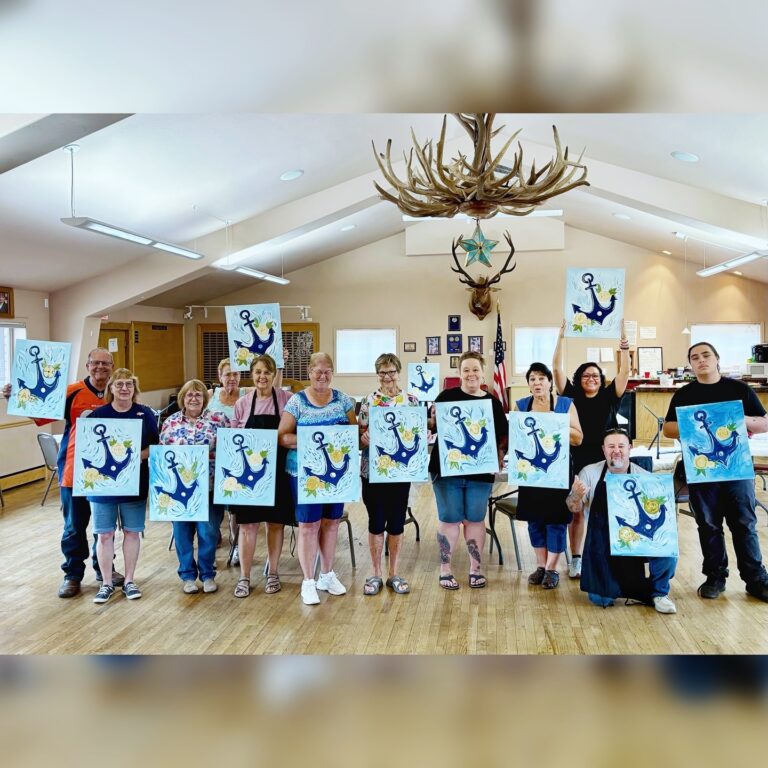
Why Creative Painting Techniques Can Transform Your Art
If you want to grow as an artist, exploring creative painting techniques is one of the most powerful ways to expand your skills and confidence. Whether you are a complete beginner or an experienced painter, trying new approaches can unlock fresh ideas and unexpected results. Creative painting techniques allow you to experiment with texture, color, and movement in exciting ways. They help you move beyond fear and into playful discovery.
1. Layering for Depth and Dimension
One of the most important creative painting techniques is layering. Instead of finishing a piece in one sitting, build it gradually with multiple layers of paint. Allow each layer to dry before adding the next to create depth and richness.
Layering works beautifully with acrylics and oils. You can start with thin washes and gradually add thicker details. This technique creates visual interest and gives your artwork a professional finish.
2. Dry Brush Technique
The dry brush method is one of the simplest creative painting techniques for beginners. Load a small amount of paint onto a dry brush and lightly drag it across the surface. This creates a textured, scratchy effect that works well for landscapes and backgrounds.
Dry brushing is perfect for adding highlights. It also gives your painting a rustic or weathered feel. Experiment with different brush sizes for varied effects.
3. Palette Knife Texture
If you want bold texture, try using a palette knife instead of a brush. This is one of the most expressive creative painting techniques because it allows you to apply thick paint with strong movement.
Palette knife painting creates dramatic strokes and dimensional surfaces. It works especially well for florals, abstracts, and mountain landscapes. The texture catches light beautifully, making your piece feel alive.
4. Color Blocking
Color blocking is one of the most modern creative painting techniques. Instead of blending everything smoothly, divide your canvas into bold sections of solid color. This approach creates a striking and contemporary look.
Beginners love this technique because it simplifies the process. It helps you focus on composition rather than tiny details. It’s also a great way to build confidence with color choices.
5. Blending and Gradient Effects
Blending is one of the foundational creative painting techniques every artist should practice. Smooth transitions between colors create harmony and softness. This technique is perfect for skies, sunsets, and backgrounds.
Use a clean brush and gentle strokes to merge colors together. Work quickly with acrylics, since they dry fast. With practice, blending becomes natural and intuitive.
6. Splatter and Drip Effects
If you want to loosen up, splatter painting is one of the most freeing creative painting techniques. Dip your brush in paint and gently flick it onto the canvas. You can also tilt your canvas to create drip effects.
This technique adds energy and spontaneity. It works beautifully in abstract art and mixed media pieces. Splatter painting reminds you that art doesn’t always have to be controlled.
7. Mixed Media Exploration
Combining materials is one of the most exciting creative painting techniques to explore. Add embroidery, paper, fabric, or texture paste to your painting. Mixed media brings depth and uniqueness to your artwork.
This approach encourages experimentation. It also helps your work stand out because no two pieces will ever look the same. Mixed media is perfect for artists who love storytelling through texture.
8. Underpainting
Underpainting is a classic method that belongs in every list of creative painting techniques. Start with a monochromatic base layer before adding color. This creates strong value contrast and structure.
An underpainting helps guide your composition. It also prevents the canvas from feeling intimidating. Many professional artists rely on this technique for more cohesive results.
9. Glazing for Luminous Color
Glazing is one of the most subtle creative painting techniques, but it creates stunning results. Apply thin, transparent layers of paint over dry layers underneath. This builds richness without losing depth.
Glazing works beautifully in portraits and floral paintings. It enhances color vibrancy while keeping details intact. Patience is key when using this technique.
10. Expressive Brushwork
Sometimes the most powerful creative painting techniques are the simplest ones. Focus on expressive brush strokes rather than perfect details. Let your hand move freely and confidently.
Expressive brushwork adds personality to your art. It communicates emotion and energy. This technique is especially powerful in abstract and impressionistic styles.
How Creative Painting Techniques Help You Grow as an Artist
Exploring creative painting techniques pushes you outside your comfort zone. It teaches you to embrace mistakes as part of the process. Growth happens when you allow yourself to experiment.
Trying new techniques also keeps art exciting. When you feel stuck, switching methods can spark inspiration. It reminds you that creativity is about exploration, not perfection.
Creative Painting Techniques for Beginners vs. Advanced Artists
Creative painting techniques can be adapted to any skill level. Beginners may focus on color blocking, dry brushing, and blending. These techniques build foundational skills and confidence.
More advanced artists can experiment with glazing, mixed media, and palette knife texture. The key is layering techniques together for richer results. Art evolves as you grow.
Bringing Creative Painting Techniques Into Your Practice
The best way to master creative painting techniques is consistent practice. Set aside time to experiment without pressure. Create small studies instead of full masterpieces.
You can also join workshops or paint parties to explore techniques in a supportive environment. Learning in community often accelerates progress. Most importantly, enjoy the process. If you prefer to create at home, my art kits include step-by-step guidance so you can practice creative painting techniques at your own pace.
Conclusion
Creative painting techniques open endless possibilities for artistic expression. They allow beginners to build confidence and help experienced artists discover new inspiration. By experimenting with texture, color, and movement, you develop a style that feels uniquely yours.
Whether you’re painting on canvas, creating murals, or exploring mixed media, creative painting techniques will continue to shape and strengthen your artistic journey.